今日購物清單 Today's Shopping Contingency
策展人|蔡明岳
藝術家|李瑜芳、林祐聖、高登輝、潘怡安、簡詩翰
非官方導覽|找我劇場
展期|2025.10.09(四)~2025.11.16(日)
地點|小北百貨板橋中正店(新北市板橋區中正路332號b1)
活動資訊
開幕座談|10/18 (六) 14:00-16:00 與談人:策展人 莊偉慈、參展藝術家
閉幕座談|11/15 (六) 19:00-21:00 與談人:小說家 黃崇凱、參展藝術家
主辦單位|両天工作室
贊助單位|國家文化藝術基金會
合作單位|小北百貨、板橋435藝文特區
視覺設計|陳彥如、魏妏如



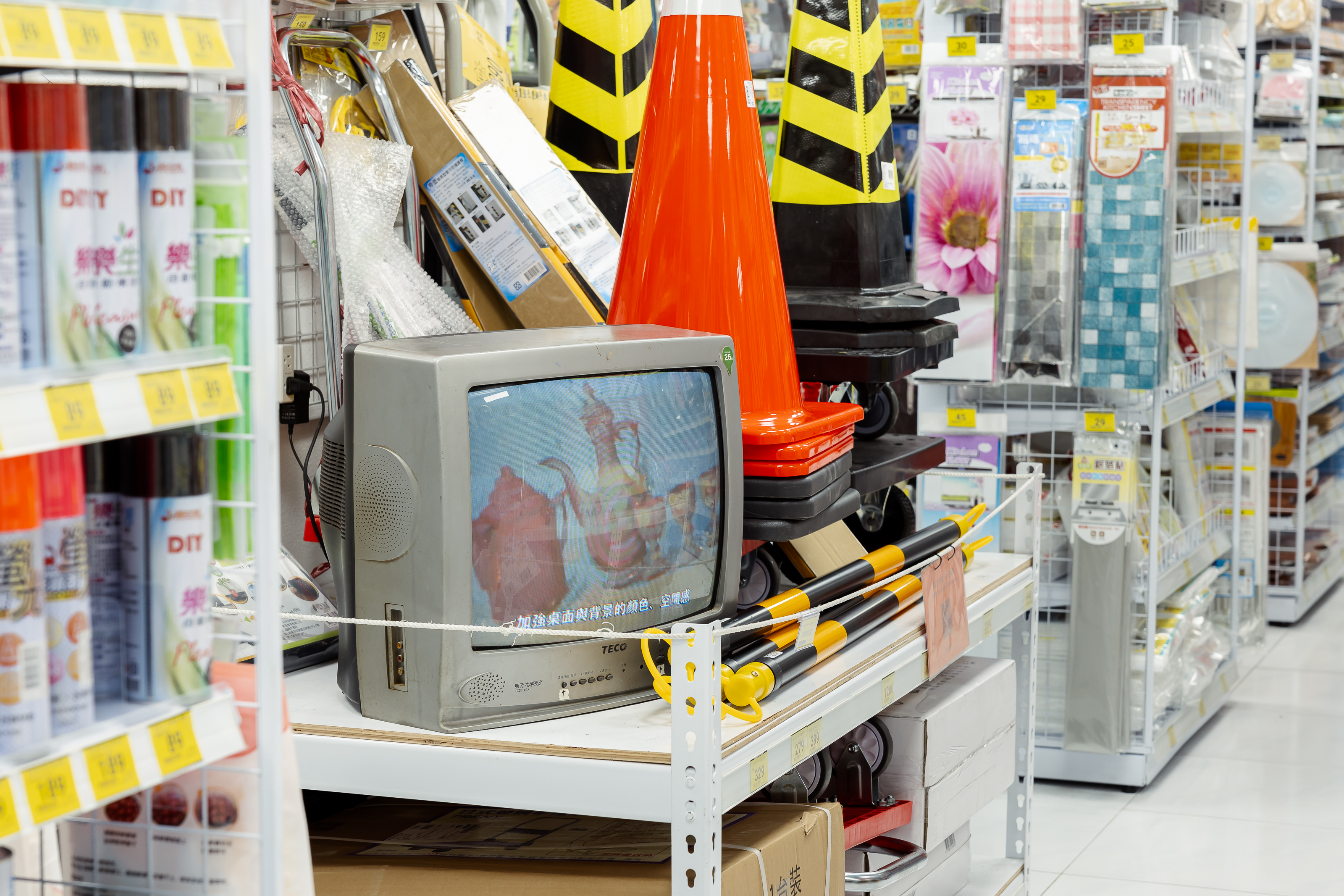

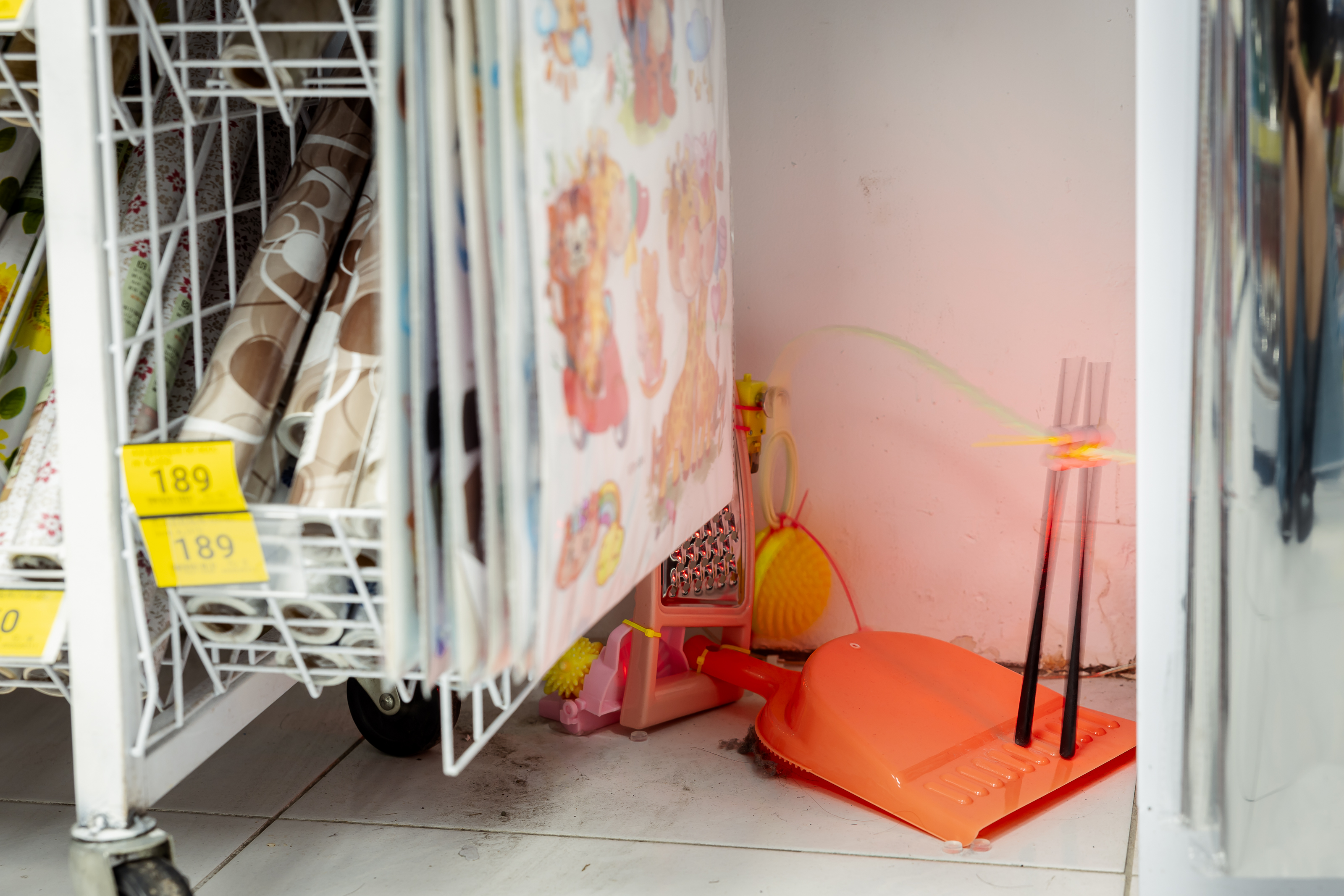

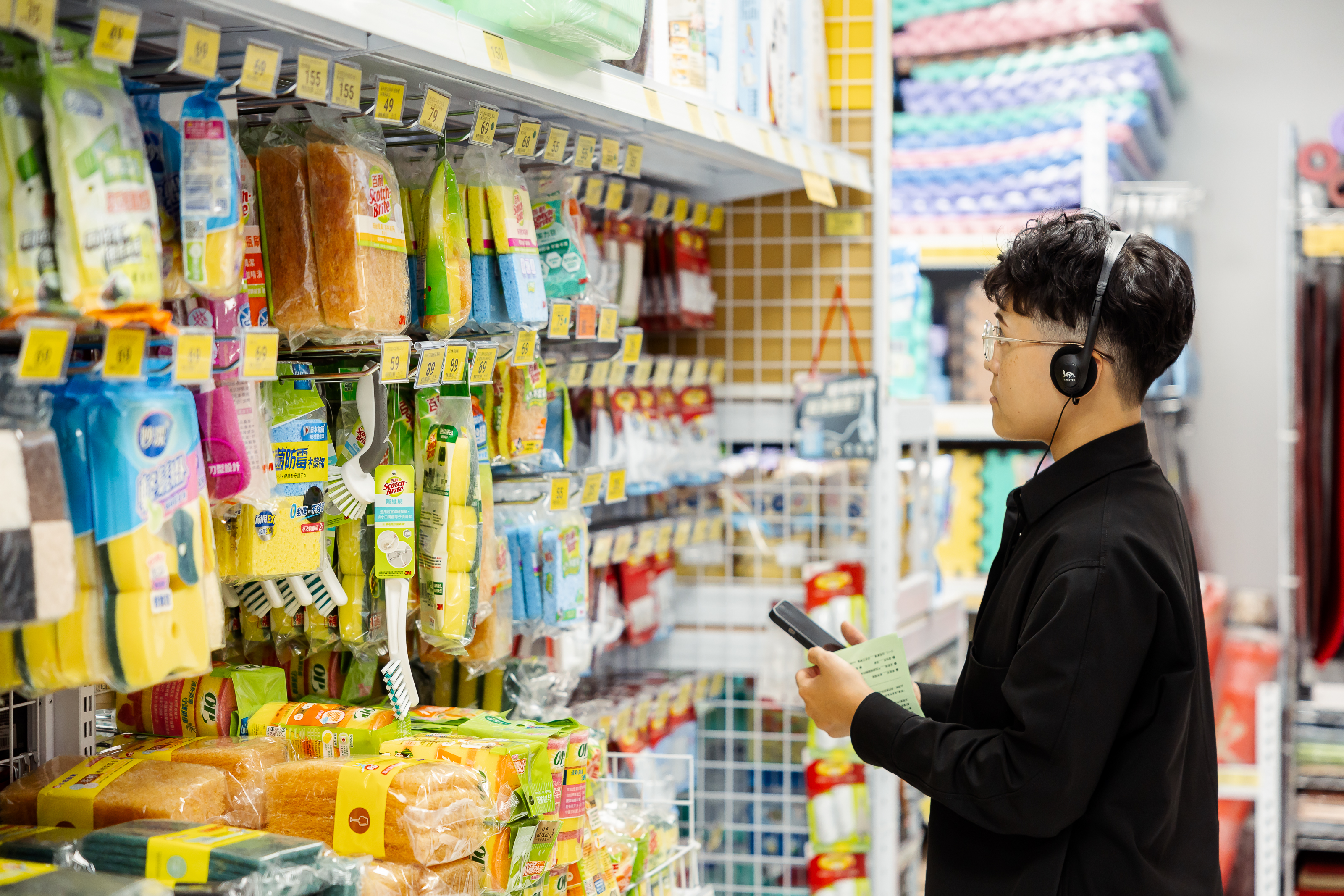


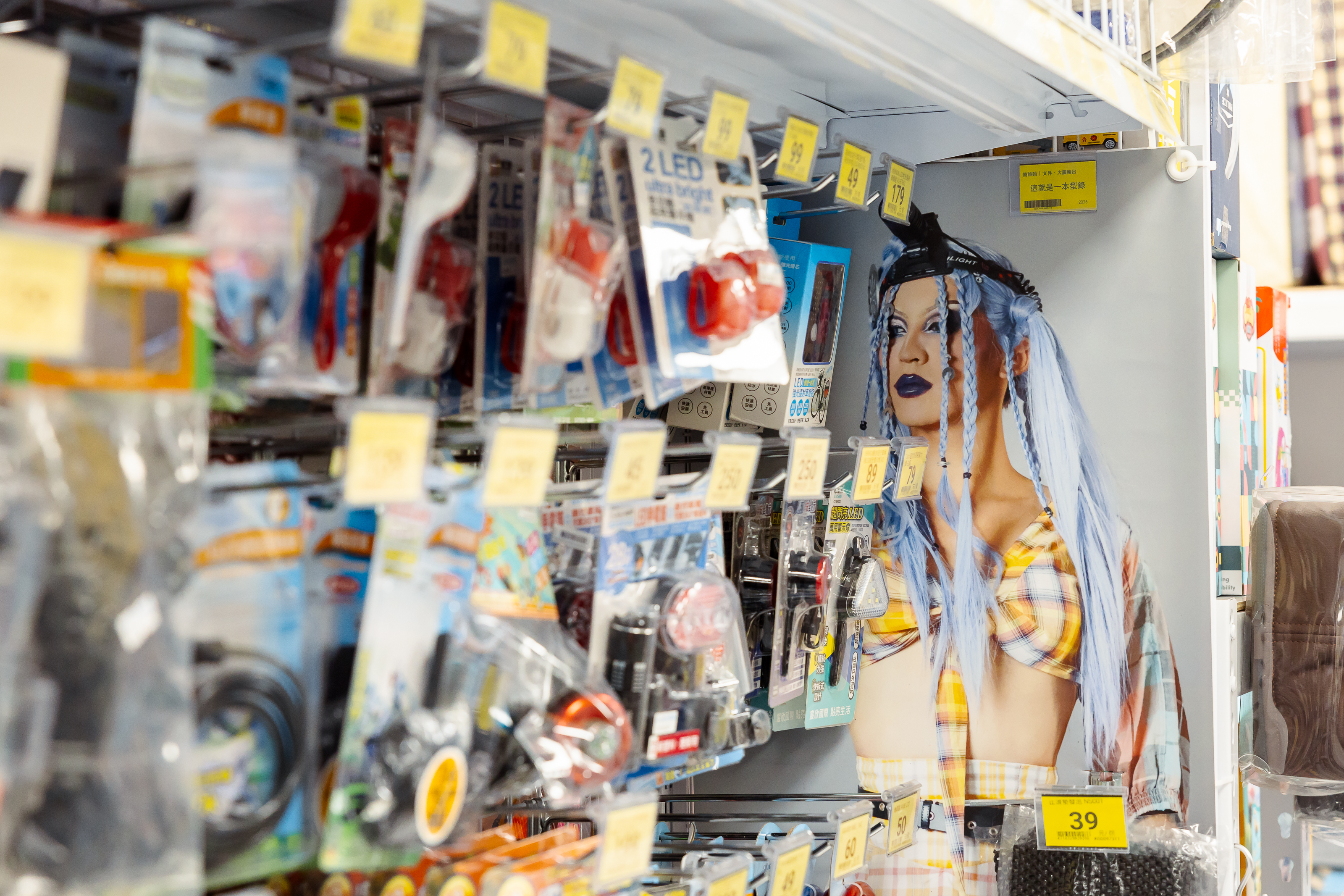


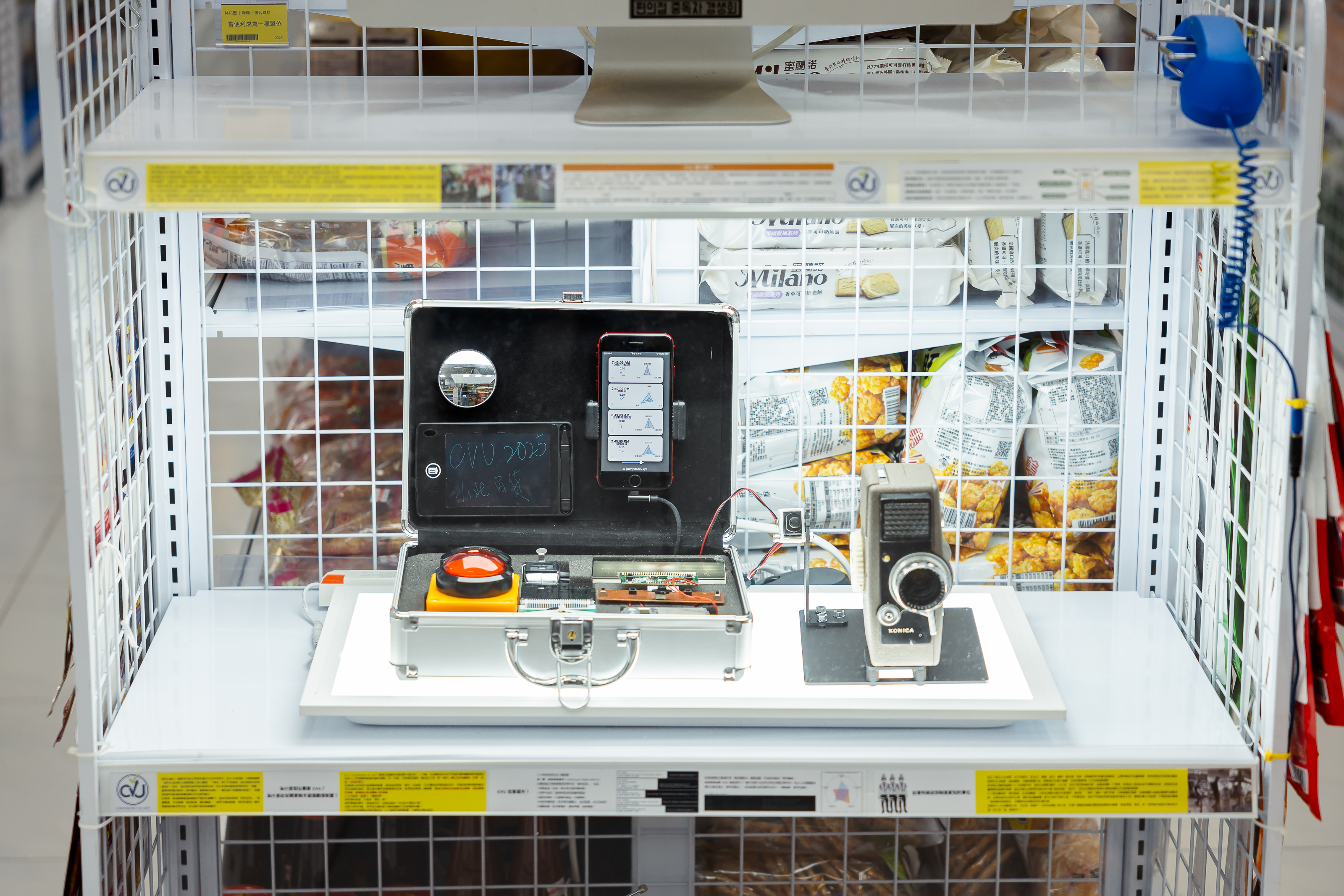
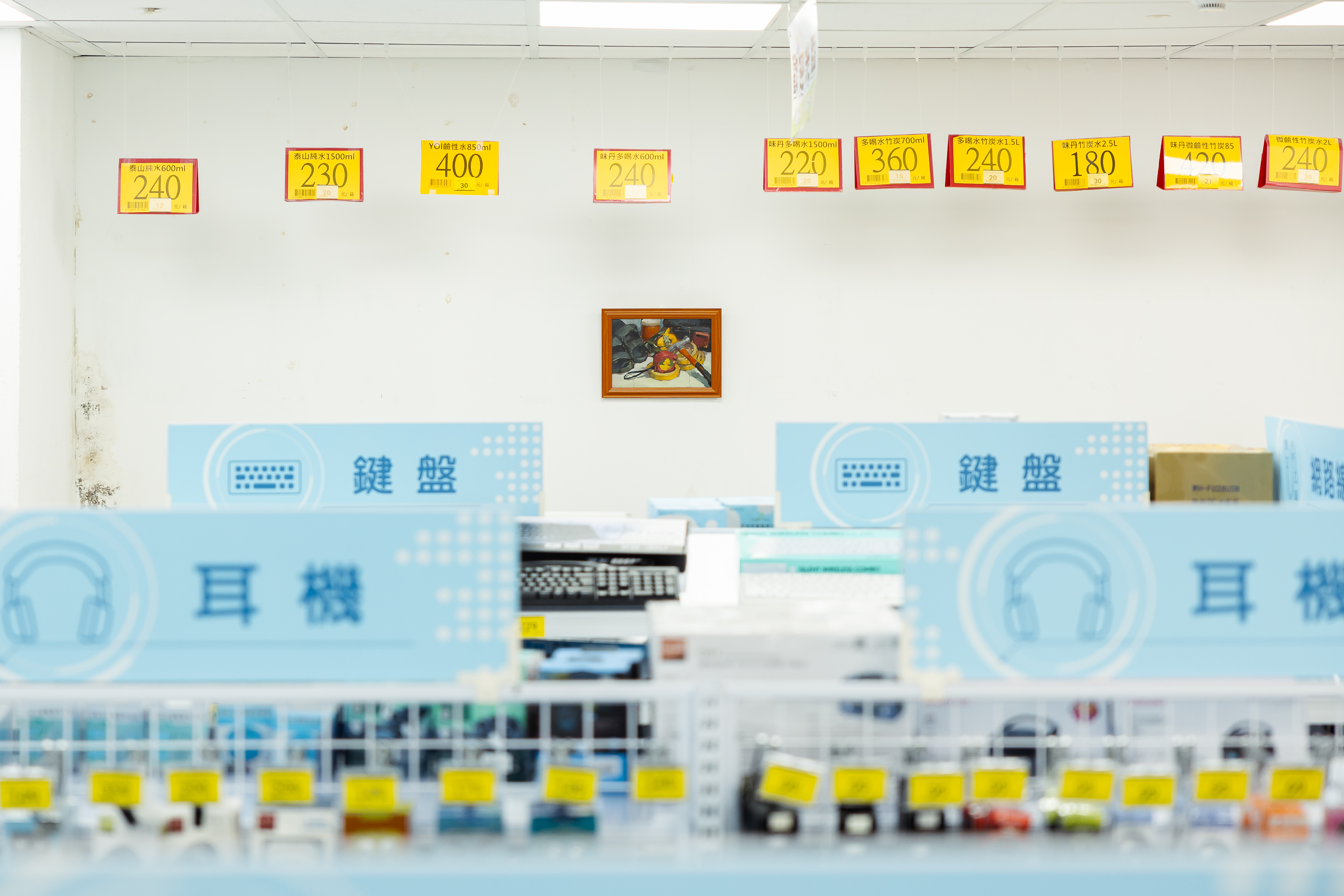
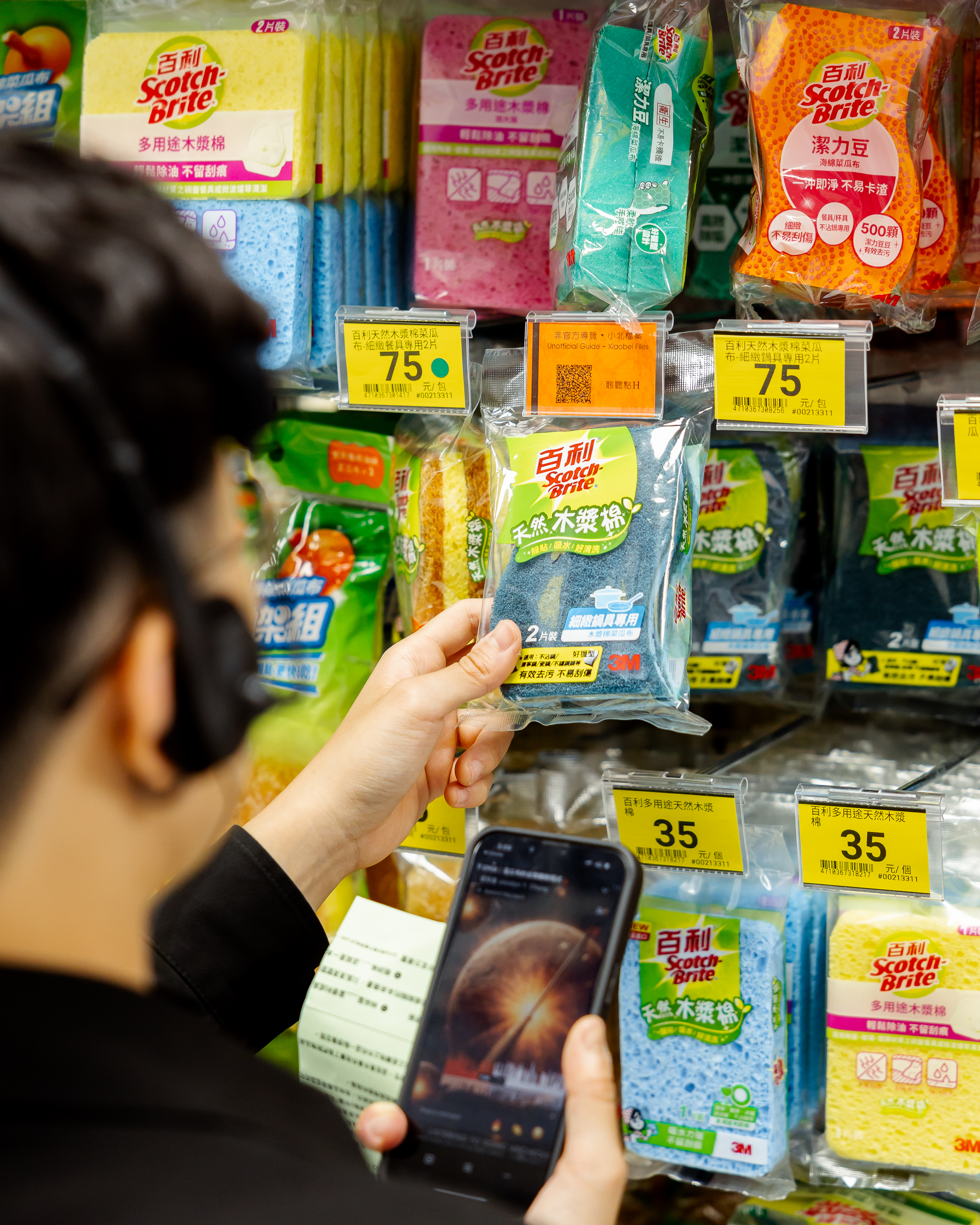


展場攝影:潘怡安
《今日購物清單》是一場在零收商小北百貨內舉辦之展覽,由藝術家林祐聖、高登輝、潘怡安、李瑜芳、簡詩翰發起之展覽計畫,並由蔡明岳進行策展,亦邀請找我劇場以聲音作品形式參與。六位藝術家將作品融入於商場空間,不使用醒目燈光或作品標示,觀眾須穿梭於商品之間,在尋常購物動線中遭遇作品。
小北百貨「什麼都賣」的銷售策略,就像一座日常博物館,從中可以想像各種不同的生活方式,其全日開業的服務型態,使其成為許多人生活中的物資與應急來源,也與藝術家的創作過程密切相關。而展覽並非強調對零售系統與商品多樣性的依賴,而是提供觀眾在商品功能與消費系統之外延伸物品的可能性。當我們列出「購物清單」時,就是開始想像物品出現在生活內的時刻,而這些畫面不必然只是商品預設的使用情境。
林祐聖的《當便利成為一種單位》思考便利服務如何重塑了生活,於是開始「量測便利性」,並在商品促銷區進行成果發表;簡詩翰在《這就是一本型錄》中,使用五大類別的小北商品為變裝皇后「漢娜」製作六組散佈於商場的代言形象,反問代言形象究竟在販售什麼;高登輝的《不為模模糊糊的未來擔憂,只為清清楚楚的現在努力》則將商場化為「靜物畫教室」,讓商品從消費對象轉換成繪畫中被凝視的靜物;李瑜芳在《家常便飯》中讓「功能性物件」承載繪畫,在效率生活的間隙填入了日常切片;潘怡安的《深處》重新轉譯滯銷商品,在銷售系統外,為物品尋得低語的可能性;找我劇場則透過語音引導觀眾遊走於商場,在《非官方導覽》中日常商品逐漸成為情感的容器。
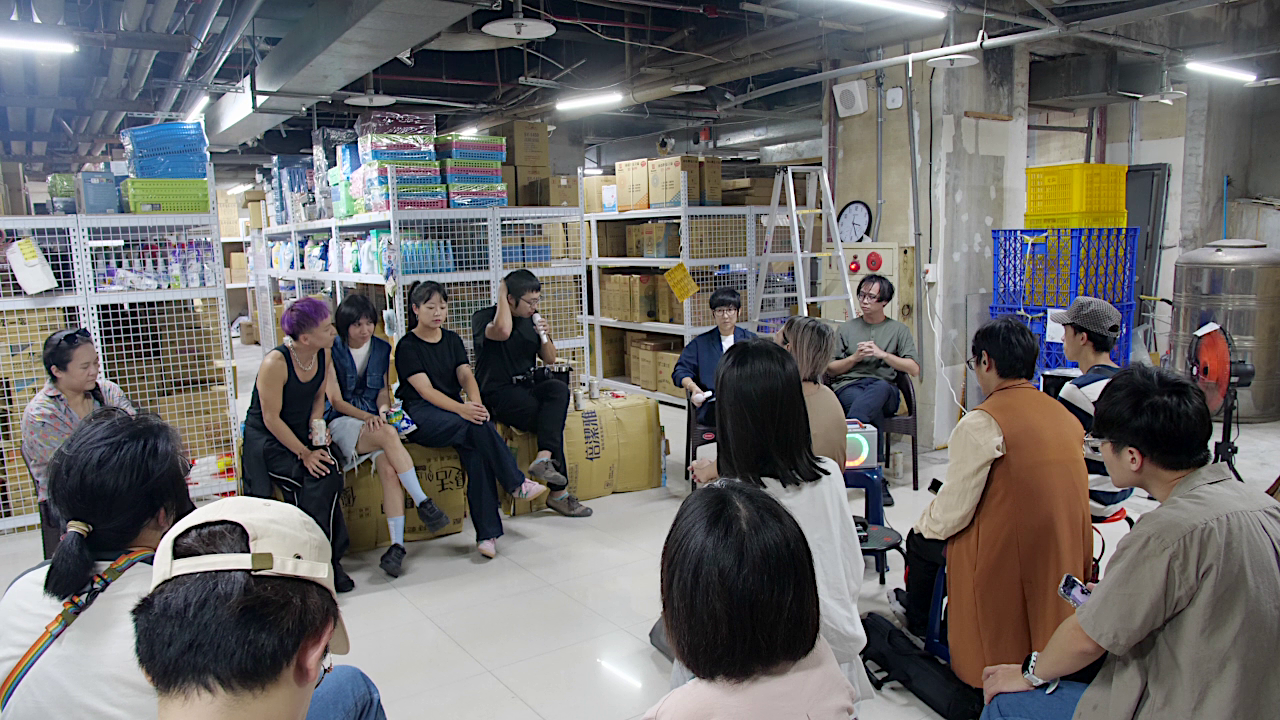
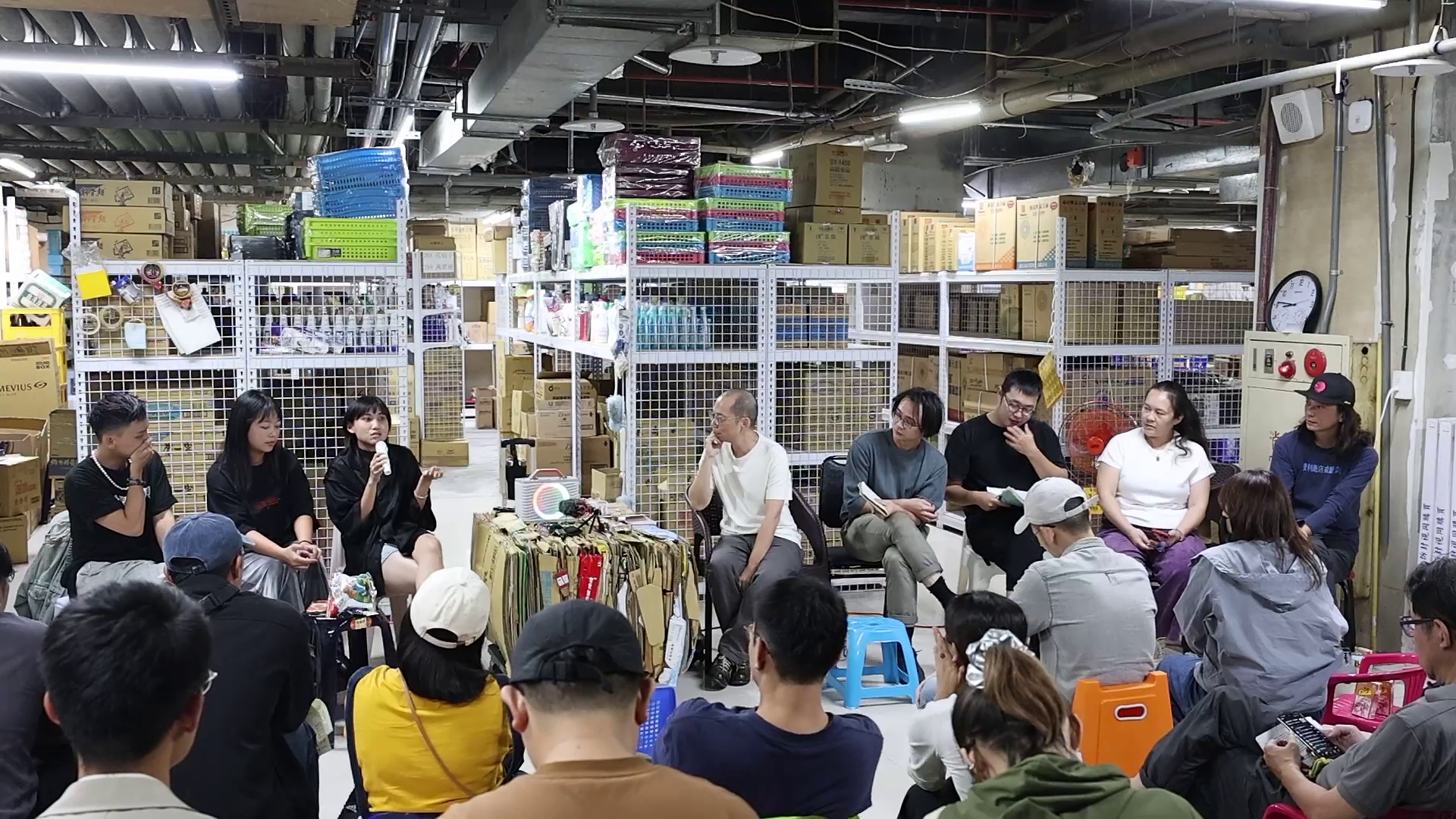
展覽在小北百貨「倉庫」開啟了兩場與談,讓倉儲空間成為思考與交流的場域。開幕與談者為策展人莊偉慈,聚焦於展覽如何形成,以及藝術家與商場空間的協作方式;閉幕與談則是邀請小說家黃崇凱,從他過去書寫小北百貨的經驗談起,分享彼此的日常觀察,亦回顧了此次展期內於小北百貨發生的各種意外事件。
評論:
-
台新藝術評論:「媽!結帳時我不小心拿到藝術品了…」/ 崔廣宇
- 非池中藝術評論:「藝術 × 零售:漫步在創作與日常的交叉路口」/ 林亞岑
- 記号 JIHAO:「藝術真的零售了嗎?一則遲至的觀察報告」|文/蔡青樺
找我劇場 Podcast-《藝術家的ESP》
- EP240|小北百貨的靈魂是濃濃人情味——與當代藝術合作的幕後故事|專訪小北百貨行銷副理 吳澄彥 × 藝術家 潘怡安、李瑜芳
- EP238 |小北百貨辦展覽?!當代策展的無限可能《今日購物清單》|專訪策展人 蔡明岳 × 兩天工作室 林祐聖
Today's Shopping Contingency
Curator | Tsai Ming-yueh
Artists | Fafaalee, Lin Yu-sheng, Kao Deng-Huei, I-An Pan, Chien Shih-han
Unofficial Guide | ESP-I Performing Arts Group
Exhibition Period | October 9 (Thu) ~ November 16 (Sun), 2025
Venue | SHOWBA Banqiao Zhongzheng Store (B1, No. 332, Zhongzheng Road, Banqiao District, New Taipei City)
Event Information
Opening Talk | October 18 (Sat) 14:00-16:00
Speakers: Curator Chuang Wei-tzu, Participating Artists Closing Talk | November 15 (Sat) 19:00-21:00
Speakers: Novelist Chong-Kai Huang, Participating Artists
Organizer | 2 DAYS STUDIO
Sponsor | National Culture and Arts Foundation Co-organizers | SHOWBA, Banqiao 435 Art Zone
"Products you never imagined, services you never expected—all available at SHOWBA Department Store." As you walk through SHOWBA with a shopping basket in hand, mentally reviewing the list on your memo while the store's advertising jingle echoes in your ears, your footsteps follow staff members' familiar directions through corridors densely packed with merchandise... In this shopping experience, have you ever had that fleeting thought while standing before shelves brimming with products: "I can't believe they sell this here too"? This scenario illustrates how this department store, seemingly capable of containing an entire universe, has already prepared everything you might need in life. Yet while the marketplace's diversity reflects the needs and gaps in people's lives, life's variables forever exceed preparation.
In Today's Shopping Contingency, Six artists combine retail products with commercial space, embedding unexpected incidents within the gaps between merchandise. Lin Yu-sheng's “Convenience as Unit” examines how convenience services reshape life, thus beginning to "measure convenience" and presenting findings in the product promotion section. In “Indeed, this is catalog”, Chien Shih-han uses five major categories of SHOWBA products to create six spokesperson personas for drag queen "Hannah" distributed throughout the store, questioning what spokesperson images actually sell. Kao Deng-Huei's “Forget tomorrow's blur—focus on today's light” transforms the marketplace into a "still life classroom," converting products from objects of consumption into contemplated subjects in paintings. In “Ordinary Pleasures”, Fafaalee allows "functional objects" to carry painting, inserting everyday moments into the interstices of efficient living. I-An Pan's “Deep Down” reinterprets slow-selling products, finding for objects the possibility of whispered existence outside the sales system. ESP-I Performing Arts Group guides audiences through the marketplace via audio, where in “Unofficial Guide”, everyday products gradually become vessels of emotion.
"Preparation" itself has its limitations. These unexpected incidents transform our imagination of objects and commodities, pointing toward futures we cannot predict—perhaps when the unexpected appears, what we truly need is precisely this imaginative space beyond shopping.